You Didn’t Lose Yourself, You Gave Yourself Away. (And How to Get You Back)
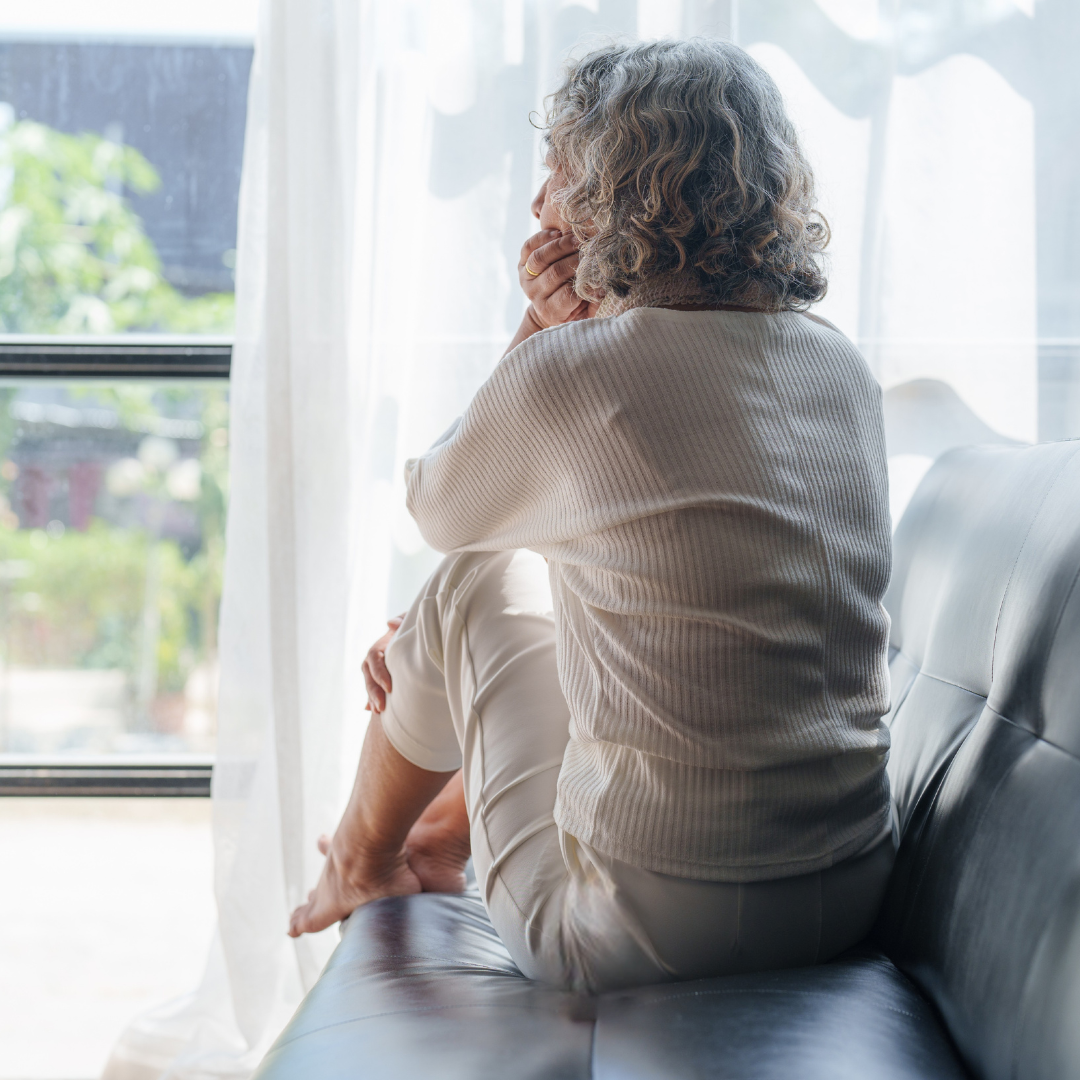
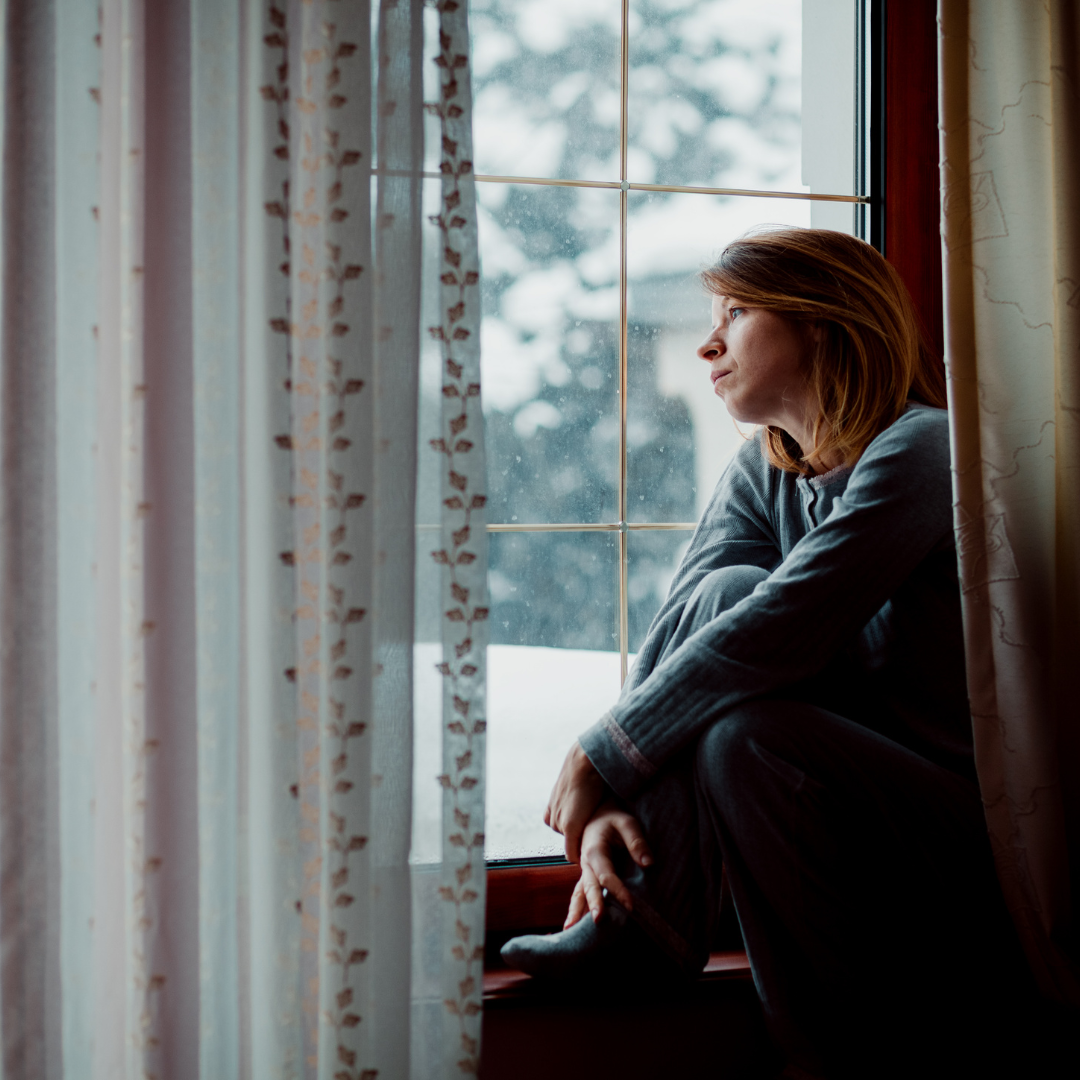
I don't feel like myself anymore.
You typed it into Google at some point, maybe late at night when everyone else was asleep and the house was finally quiet. Those words might have felt both embarrassing and urgent.
Maybe you added "perimenopause." Maybe you added "stress" or "burnout" or "midlife." Maybe you just hit enter and hoped someone on the other side of the screen could explain what the hell is happening to you.
Here's what I want you to know before we go any further: you are not broken. You are not losing your mind. You are not ungrateful, or weak, or dramatic.
You are depleted. And there's a very specific reason why.

You're Not Lost. You've Been Giving Yourself Away.
The phrase “I’ve lost myself" is everywhere. It sounds soft and forgiving, like you took a wrong turn on a trail somewhere and just need a map back.
Over the years, probably decades, you unconsciously handed pieces of yourself over to everyone else in small, ordinary ways. The morning you solved everyone else's drama before you'd had a single sip of coffee. The meeting where you smoothed over your overreactive manager so the whole meeting didn’t derail into hurt feelings. The moment you said "I'm fine" when you actually weren't, because admitting you’re not fine is a conversation you don’t have the capacity for.
You gave yourself away in small increments: to your job, your kids, your partner, your parents, your friends, your community, and your inbox until one day, you felt like there was just... less of you left.
What the Research Actually Says (And What Your Doctor Probably Didn't Tell You)
If you're a woman over 40, and this feeling hit you like a slow-moving freight train, there's a clinical name for what you're describing.
Researchers call it NFLM, "not feeling like myself” (yes it has an official thing!) and it is one of the most commonly reported experiences among women in perimenopause. A study published in the journal Menopause found that 63% of participants reported not feeling like themselves at least half the time over the previous three months with fatigue, overwhelm, lowered mood, and increased anxiety as the most strongly associated symptoms.(1) The hormonal fluctuations of the menopausal transition affect every organ system, including the brain, heart, bones and reproductive organs and they show up as brain fog, mood shifts, sleep disruption, and a loss of the cognitive sharpness women have relied on their entire lives.(2)
Here's what makes this experience so disorienting: the gap between who you were and who you feel like now is a direct challenge to your self-image.(1) If you've always been the capable, calm, sharp-minded one but suddenly you're foggy, tearful, and running on empty. That's not a personality change. That's a physiological shift that medicine has historically been slow to take seriously.
Boston-area gynecologist Marcie Richardson routinely sees women in their late 30s and 40s using those same words, "not feeling like myself”, and whose symptoms have largely been dismissed by their doctors.(3) These women were experiencing real hormonal shifts and being sent home with a prescription. Research bears this out: nearly half of women felt completely uninformed about perimenopause before the age of 40.(4) Half! That's not an education gap, that's a systemic one.
So if you've already tried to name what you’re feeling and someone handed you an antidepressant without a single question about your hormones, that failure it not on you. That's a medical system doing what it has always done with women's midlife experiences: dismissing them as “emotional”.
But here's the thing: the hormones are only part of the story.
The Underlying Symptoms No One Talks About
Perimenopause can absolutely make you feel like a stranger in your own body. The hormonal shifts are real, they matter, and they deserve proper medical attention.
But reduced estrogen does not make you abandon yourself or force you to be the last person on your own priority list. Putting yourself last was ingrained in you long before your hormones started fluctuating.
Burnout in midlife is the toll of chronic over-functioning, emotional labor, and years of nervous system override.(5) The hormonal fluctuation amplifies what's already there. They don't create it from scratch.
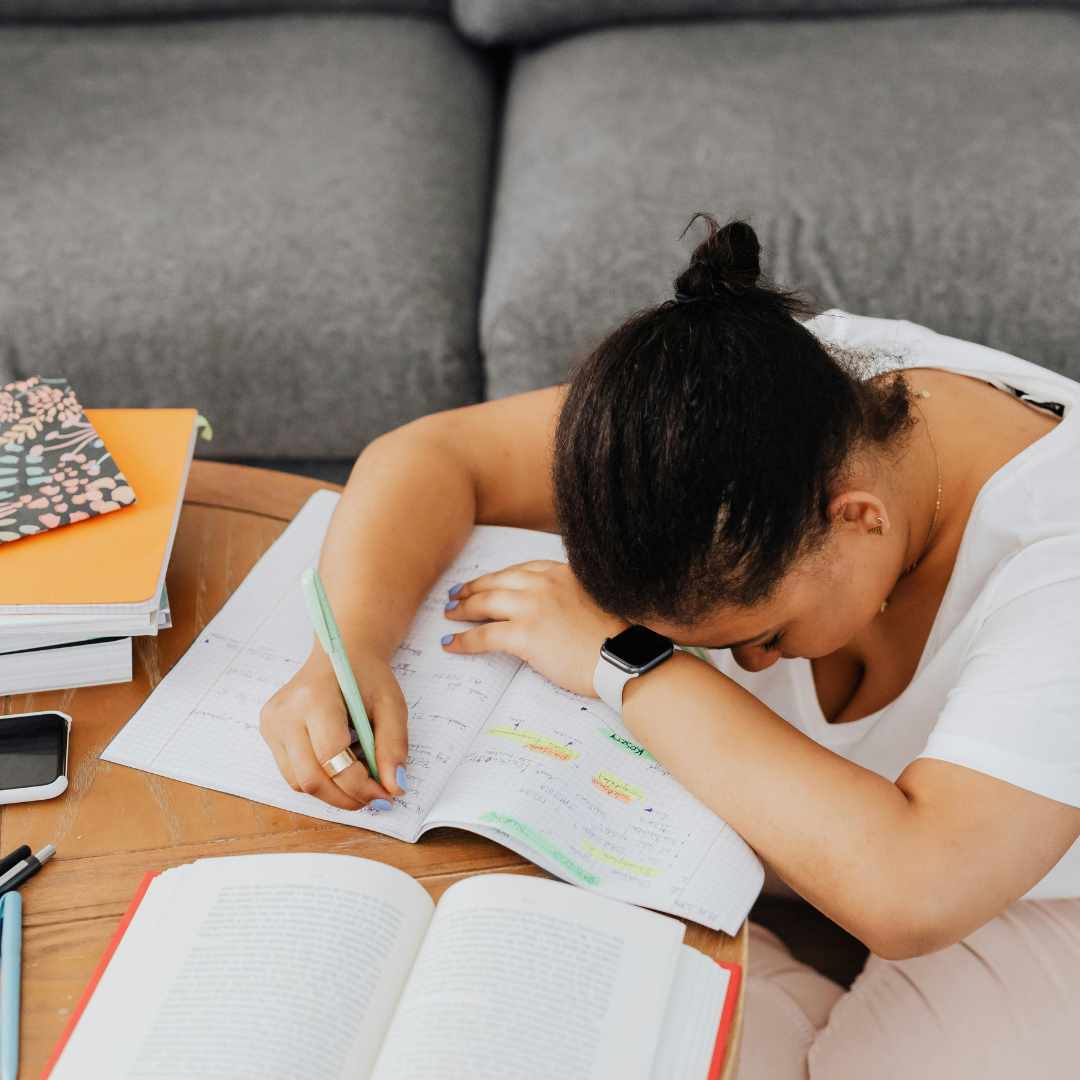
Life transitions such as career changes, an empty nest, divorce, or a major life rupture can leave women feeling unmoored and questioning their purpose and self-worth, almost always land on top of chronic stress that's been building for years.(6) You may have achieved everything you were supposed to achieve and still feel hollow. You kept every plate spinning like a circus performer while quietly running out of hands. From the outside, you look competent so no one could tell that you were quietly fading on the inside.
That feeling of fading is not a personality flaw. It’s the predictable outcome of living inside a set of invisible agreements you were never aware of.
The Invisible Contracts That Took You Away
There's a framework underlying women’s lives I call The 5 Invisible Social Contracts. They are the unwritten rules that women absorb so early and so completely that they stop being rules and start feeling like reality.
This post lives squarely inside The Contract of Competence and the terms are:If you can handle it, it becomes your responsibility forever.
The first time you proved you were organized, calm under pressure, and good at solving problems, everyone started conveniently defaulting to you. You became the unofficial operations department of your family, your workplace and your friend group. And because you kept handling it, people kept letting you. At some point, being capable quietly became the character role of your entire life — a role you never auditioned for.
This topic also fits under The Contract of Peacekeeping and the terms are: if tension exists in any room, it is the woman’s responsibility to smooth it.
You have been quietly trained to monitor the emotional weather in every room you walk into. If someone is upset, distant, irritated, or stressed, you feel the pull to fix it. You soften the edges and absorb the discomfort so everyone else can stay comfortable. You got so good at it that it stopped feeling like labor and started feeling like just... who you are.
The hidden rebellion inside this contract is simple: other adults are responsible for their own feelings. You were never actually required to manage the atmosphere, it somehow just became yours to manage.
These two contracts, working together over years, are a precise recipe for disappearing from your own life. You over-function until your capacity runs dry. You manage everyone else's emotional landscape until you lose track of your own. And then one day, after a few glasses of wine to relax, you Google I don't feel like myself anymore. You might be interested in this article next: I Don’t Recognize Myself Anymore.
For women who have built their identity around being independent, capable, and strong, (which goes hand-in-hand with being a wife and/or mother), discovering new feelings of being less able to cope is particularly destabilizing.(1)
When the very traits you relied to keep everything (and everyone) running stop showing up the way they used to, the question "who am I now?" hits hard.
A Question Google Can't Answer For You
If you've Googled "I don't feel like myself anymore," what could that actually mean?
It usually means one or more of the following: you are moving through perimenopause and experiencing real hormonal shifts that are going unrecognized or undertreated.(2)
You are burned out from years of over-functioning, emotional management, and placing yourself last.(5)
A major life transition has dissolved the role that was holding your identity together.(6)
Often, it's all three happening at once. The research is clear that this experience is common, clinically documented, and not in your head.(1)
You Didn't Leave. You Got Crowded Out.
Here's what I want to say to you directly.
You didn't lose you. There isn’t a part of you that wandered off when you weren't paying attention. She got crowded out by the invisible contracts you inherited, by a system that rewards women for their utility and calls it virtue, and by the accumulated weight of being the most capable person in every room.
Women who have survived difficult things often become the person everyone relies on. The more resilient a woman proves herself to be, the more responsibility gets quietly stacked on top of her.(7) Resilience was supposed to create freedom. Instead, it created more weight.
The version of you that you think you lost is still in there, quieter than she used to be, maybe, but still there.
The work of getting her back is not about journaling more or doing a $200 detox or buying the right supplements. It's about identifying, one by one, the invisible agreements you've been honoring that were never actually yours to carry — and deciding, deliberately, which ones you're done with.
That's not self-help. That's a reckoning.
Before You Go
If this article spoke to you or answered questions you don’t have answers to, leave me a comment below, I respond to every comment. You might inspire other women who are struggling with their identity.
Melissa



Sources
Coslov N, Richardson MK, Woods NF. "Not feeling like myself" in perimenopause — what does it mean? Observations from the Women Living Better survey. Menopause. 2024;31(5).
Public Health Madison & Dane County. Why don't I feel like myself? It may be perimenopause. September 2025.
Richardson M, Shen W, Faubion S. Not feeling like yourself? It could be perimenopause. Women Living Better / The Washington Post. 2024.
Hillard T, et al. Women's knowledge and attitudes to the menopause: a comparison of women over 40 who were in the perimenopause, post menopause and those not in the peri or post menopause. PMC. 2023.
Cardoza J. Midlife burnout recovery: the weight of menopause, trauma and invisible labor. 2025.
Carr D. Midlife and mental health. In: Encyclopedia of Mental Health, 3rd ed. Academic Press; 2022.
Finding My Fierce. The Ten Invisible Contracts.