It’s Time to Stop Demonizing All Carbs (Especially In Perimenopause)
Somebody back in the ‘80’s decided carbs are the enemy, and women have been torturing themselves by avoiding them ever since.
You've done it. I've done it. You order the salad and feel a tiny flicker of pride, like you just outsmarted your own metabolism. You eat a piece of toast and some part of your brain files an incident report. The guilt is real and this is what happens when an entire industry needs you anxious, self-monitoring, and buying the latest carb-free program that promises to fix what was never broken.
So let's talk about carbohydrates. What they are, which ones are worth your attention, where this panic came from, and what restricting them does to your body specifically in perimenopause, because that part rarely makes it into the influencer’s reel.
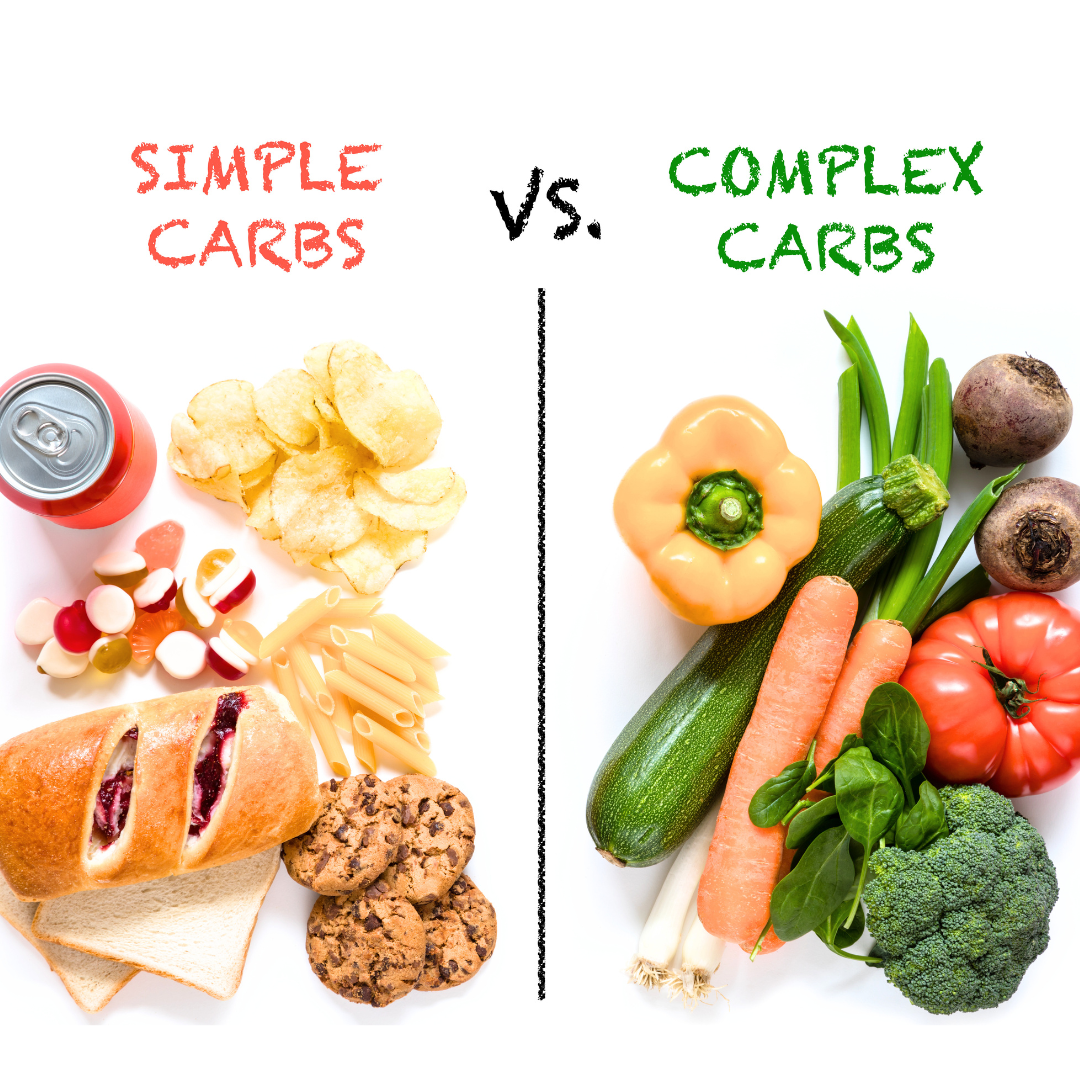
What is a carbohydrate?
Carbohydrates are one of the three macronutrients your body runs on, alongside protein and fat. They show up as sugars, starches, and fiber, in foods ranging from fruit and dairy to grains, legumes, and starchy vegetables like potatoes and corn (1).
Your body breaks most carbs down into glucose, which is the fuel your brain on. So, not a treat or a guilty pleasure. Fuel. Your brain is a glucose-powered organ.
But inside that one category of carbohydrates, there's a meaningful split. Simple carbs are quick-burning, found in things like table sugar, fruit juice and ice cream. Complex carbs take longer to break down because they come bundled with fiber, the part of the plant your body can't digest, which is exactly why it's useful. Fiber slows things down, keeps you full, and feeds the bacteria in your gut that are quietly running a huge part of your physiology without ever asking permission
"Good" carbs and "bad" carbs is the wrong question
The real distinction isn't good versus bad. It's whole versus stripped.
A sweet potato, a cup of oats, a handful of lentils, these come with their fiber, vitamins, and minerals fully intact. White bread, sugary cereal, and soda are carbohydrates that have been stripped of almost everything except the part that spikes your blood sugar fast and drops it just as fast, leaving you reaching for the next thing in hanger twenty minutes later.
This is where glycemic index and glycemic load enter the picture. Foods low in fiber and high in refined starch tend to raise blood glucose quickly, while fiber-rich, low-glycemic foods like most fruits, vegetables, and whole grains affect blood sugar far more gently (2).
A randomized trial comparing whole-grain and refined-grain diets found the whole-grain version measurably improved insulin sensitivity and glucose handling in adults, while the refined version did not (3). Same macronutrient, but wildly different outcome.
“The category “carb” was never specific enough to be useful, and the diet industry knew it and used this vagueness to their profitable advantage.”
Fiber itself deserves its own parade. A large analysis pooling dozens of trials found that higher fiber intake improved blood sugar control, insulin levels, cholesterol, and inflammation markers across the board (4). That's not a niche health food claim. That's carbohydrate doing exactly what it's supposed to do when it's still wearing its original packaging.
Where the carb panic started
Here's the part nobody puts on a wellness Pinterest board: carb war originally started with fat.
In the 1980s, dietary fat got blamed for heart disease and the emerging obesity epidemic, so the 1980 Dietary Guidelines for Americans told everyone to cut it (5). The food industry responded exactly how you'd expect a profit-driven industry to respond: manufacturers pulled the fat out of thousands of products and replaced it with refined starch and sugar to keep things palatable, because fat-free yogurt that tastes like sadness doesn't sell (6).
By the end of the 1990s, over fifty companies had more than 600 products certified low-fat, a long list stuffed with sugary cereals proudly wearing a heart-healthy stamp (7).
The result? Americans ate less fat and more refined carbohydrate, and the obesity and type 2 diabetes epidemics accelerated anyway (8). The fat-free era didn't make us thinner. It made us hungrier, marketed to more aggressively, and relabeled the problem with new marketing.
Then the pendulum did what pendulums do. It swung toward Atkins, then keto, then a fresh wave of "wellness" content that rebuilt the same restriction model but with a scary new villain using the same emotional formula but with different macronutrient.
Cut the thing, lose the weight, fix yourself. This, time, it will work because it’s “new and improved”.
It was never really about the biochemistry, it was always about selling a fix for a problem the previous fix created.

STOP DEMONIZING CARBS
Get my free guide to selecting the right carbs to fuel your body and blunt blood sugar response in perimenopause.
What happens when you restrict carbs in perimenopause
Metabolic syndrome is a cluster of conditions — high blood pressure, elevated blood sugar, excess abdominal fat, and abnormal cholesterol or triglyceride levels — that together raise your risk for heart disease, stroke, and type 2 diabetes. It’s driven by insulin resistance, inflammation, and lifestyle factors like poor diet, stress, and inactivity. Detecting it early and addressing diet, movement, sleep, and stress can dramatically lower your risk and restore energy and resilience.
This is the part that matters for you, right now, in this exact hormonal season.
As estrogen declines, your body's relationship with insulin shifts. Insulin sensitivity in your muscles and liver drops, glucose uptake into the muscles slows, and the risk of developing insulin resistance and metabolic syndrome, a cluster of conditions including high blood pressure, elevated blood sugar, excess abdominal fat, and abnormal cholesterol or triglyceride levels, that together raise your risk for heart disease, stroke, and type 2 diabetes, increases independent of anything you're doing wrong (9). Your body is recalibrating its own machinery and that recalibration is not a reflection of your willpower.
Now layer chronic carb restriction on top of these metabolic shifts.
Severely cutting carbs is itself a physiological stressor, and perimenopause is already a high-stress hormonal season. Going too low on carbohydrate and overall intake spikes cortisol and can suppress active thyroid hormone production, which is the opposite of what an already taxed system needs (10).
Estrogen also influences how easily your body accesses stored fuel in the form of glycogen. When estrogen drops and carbohydrate intake drops at the same time, you're not optimizing fat burning, you're starving a system that's already running on a shorter fuse than it used to (11).
This is the cruel joke at the center of carb restriction marketed to women in midlife. It's sold as the fix for menopause weight gain and exhaustion, while the actual research points the other direction: chronic restriction can compound the exact cortisol, blood sugar, and thyroid disruption that perimenopause is already throwing at you.
Know someone who would appreciate this? Send it to her.
What to do instead
Stop sorting carbohydrates, period. Choose whole-food carbs most of the time, the kind that still have their fiber attached, because the research consistently favors them for blood sugar, inflammation, and long-term metabolic health (12). Pair them with protein and fat so you're not spiking and crashing all day.
And let go of the idea that "less" is automatically healthier. Less is not a strategy. It's a marketing trick wearing a lab coat.
You were never the problem. The system that needed you afraid of bread, that one's the problem.
Before you go
If this felt familiar, you will enjoy The Fierce Weekly Edit. Every Sunday morning, I rebel against beige modern wellness culture that tries to profit from your “lack of discipline” — the exhaustion, the physiology behind your perimenopausal symptoms, and the tips and small shifts that genuinely help along with hormone supporting recipes to make dinner one less thing to stress over.








Sources
National Institute of Diabetes and Digestive and Kidney Diseases. "Carbohydrates." NIDDK Health Topics Dictionary.
National Institute of Diabetes and Digestive and Kidney Diseases. "Eating, Diet, & Nutrition for NAFLD & NASH."
Korczak R, et al. "A whole-grain diet reduces peripheral insulin resistance and improves glucose kinetics in obese adults: A randomized-controlled trial." PubMed, National Library of Medicine.
Reynolds AN, et al. "Dietary fibre and whole grains in diabetes management: Systematic review and meta-analyses." PMC, National Library of Medicine.
Nago R, et al. "The Origins of the Obesity Epidemic in the USA: Lessons for Today." PMC, National Library of Medicine.
Hall KD, et al. "Are ultra-processed foods too tasty? Toward a metabolic framework for diet and obesity." PLOS Medicine, hosted via National Library of Medicine.
Hannan FM, et al. "Food Chain and Food Policies: Causes and Solutions for the Obesity Pandemic." PMC, National Library of Medicine.
Harcombe Z, et al. "Dietary Fat: Friend or Foe?" PMC, National Library of Medicine.
Erdélyi A, et al. "The Importance of Nutrition in Menopause and Perimenopause." PMC, National Library of Medicine.
Nutrition Network. "Thyroid Function and Therapeutic Carbohydrate Restriction." Reviewing mechanisms of cortisol and thyroid hormone response to carbohydrate restriction.
Erdélyi A, et al. "The Importance of Nutrition in Menopause and Perimenopause." PMC, National Library of Medicine.
Reynolds AN, et al. "Dietary fibre and whole grains in diabetes management: Systematic review and meta-analyses." PMC, National Library of Medicine.