You Are Not a 24-Hour Hotline: Why Always Being Available Is Self-Abandonment
When you are consistently accessible, people begin to rely on you in ways that extend beyond support and into dependence. To put it bluntly, they take advantage of your generosity without realizing it. Over time, this creates mental fatigue, emotional strain, relationship issues and a constant interruption cycle that prevents you from recovering your energy or focusing on your own priorities.
Such is the life of women.
In this article, I’m going to address how to reclaim your time after years of always being available for everyone at the expense of your own wellbeing.

For most women, always being available happens so gradually you hard notice. You are capable, intuitive and responsible and people trust you because you do what you say you will do.
Over time, that trust turns into expectation. You are no longer one of several people who could handle something, you become the go-to person who is expected to handle it. Emails come to you first because you have always responded quickly. Problems are directed toward you because you have always solved them. Emotional situations land on you because you have always been able to stabilize them. The pattern reinforces itself quietly, until your presence is the reason everything functions.
This is where the pattern deepens into something more draining, which connects directly to
If You’re the Woman Everyone Depends On, Start Here
Signs You’re Giving 24-hour Access
There are patterns that show up when being constantly available has been running your life for a while.
You might recognize yourself here:
You see a text come through and respond before you even finish what you’re doing
You answer questions that another person could have easily handled (or Googled or Chatgpt’d)
You step in to fix things before anyone else even realizes there’s a problem
You feel a low-level anxiety when you haven’t checked your phone in a while
You respond to things that aren’t urgent as if they are, just to clear them off your plate
You take on emotional conversations you didn’t have the energy for because it felt easier than saying no
You get interrupted in the middle of something important and forget to go back to it
You feel irritated by how much people rely on you, but you still respond every time
You can’t remember the last time you were fully unreachable without having to explain yourself
The Invisible Contract That Keeps You On Call
The reason this pattern feels so difficult to interrupt is because it is not just behavioral, it is relational. There is an unspoken invisible contract running underneath this pattern called The Contract of Availability it that sounds like this: if anyone needs something, you have to make yourself available and help them.
Alongside that is a quieter belief that is even more binding. Your responsiveness starts to feel tied to your value. When you answer quickly, you are seen as supportive and dependable. When you hesitate or delay, even briefly, it can feel like you are letting someone down. That internal pressure keeps the pattern in place long after it has stopped serving you.
This is why pulling back can feel uncomfortable in a way that seems disproportionate to the action itself. You are not just changing a habit, you are disrupting an identity that has been reinforced over time. The resistance you feel is a sign that you are stepping outside an old pattern that has been operating under the radar for decades.
If this sounds familiar, read this article next: The 5 Invisible Social Contracts underlying all women’s lives.
How to Reclaim Your Time
Instead of treating every message, request, or situation as something that needs your immediate attention, you will begin to introduce space between the moment something appears and the moment you respond.
You are not required to be everyone’s emergency contact, sounding board, or unpaid therapist. Start protecting your energy by closing the door a little at a time:
set firm, simple boundaries (no calls after 8 p.m.), and communicate boundaries clearly and calmly
redirect requests back to requester for problem-solving if they’re a capable adult
say “I can’t right now” instead of giving a dissertation about why you can’t,
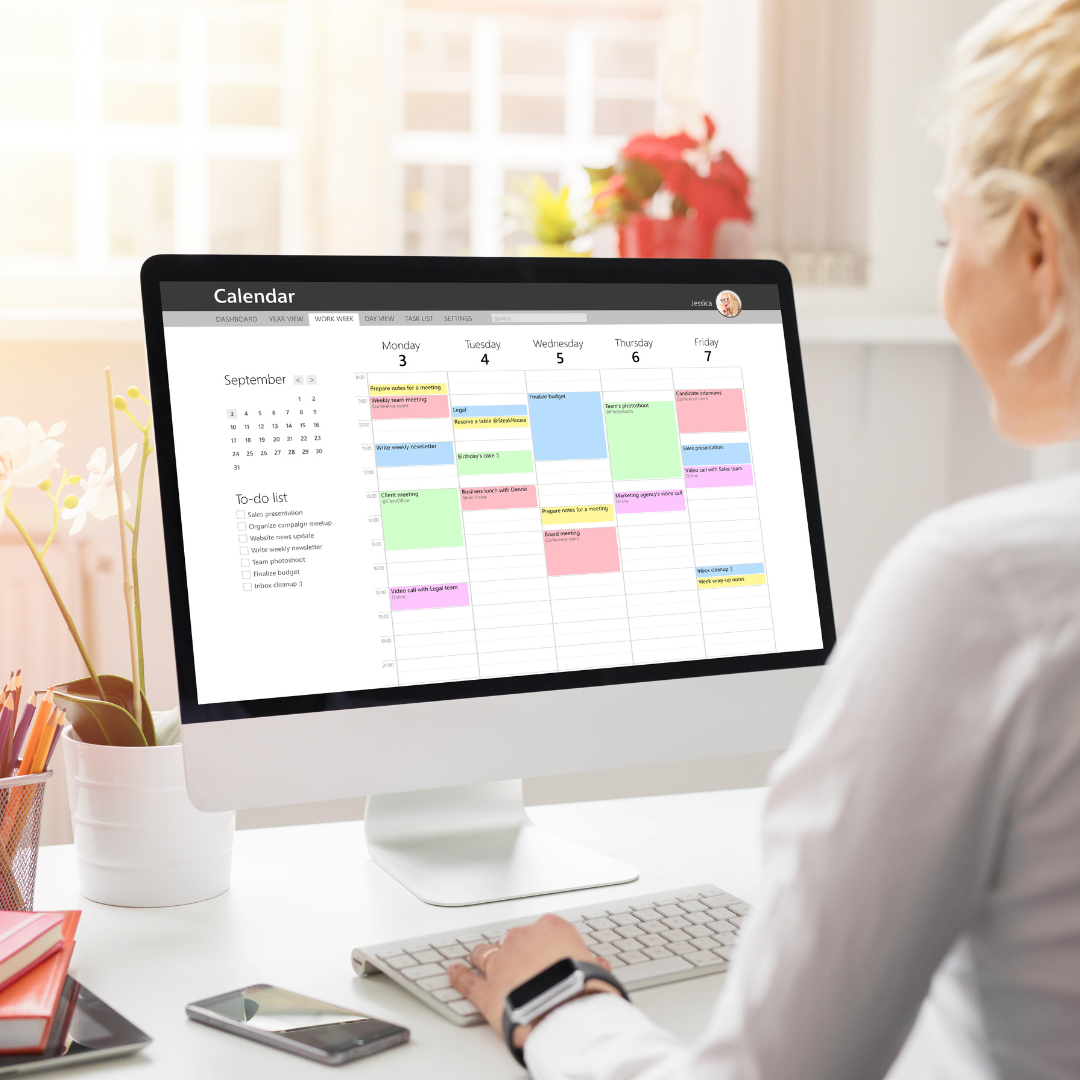
schedule limited availability on your calendar,
let non-urgent messages wait so you can choose what to take on;
enlist a small circle of help for real needs'
say no without apology to anything that chips away at your capacity
notice when a problem is not actually yours to solve and choose not to step in
Your well-being isn’t negotiable, and making yourself less available is how you reduce the mental load, avoid exhaustion and have time for the things that truly matter in your life.
Stepping back doesn’t mean you’re suddenly cold and uncaring. You are still someone who shows up, but you are no longer someone who is constantly on call because you are becoming intentional with how you spend your time and who has access to you.
The world does not fall apart when you stop responding to everything.
Before You Go
Where in your life are you still acting like a 24-hour hotline, and what would actually happen if you did not respond the next time something came through?
If you feel comfortable, please share it in the comments. Your awareness might be the moment another woman realizes she has been living the same way and doesn’t have to keep doing it.
Melissa